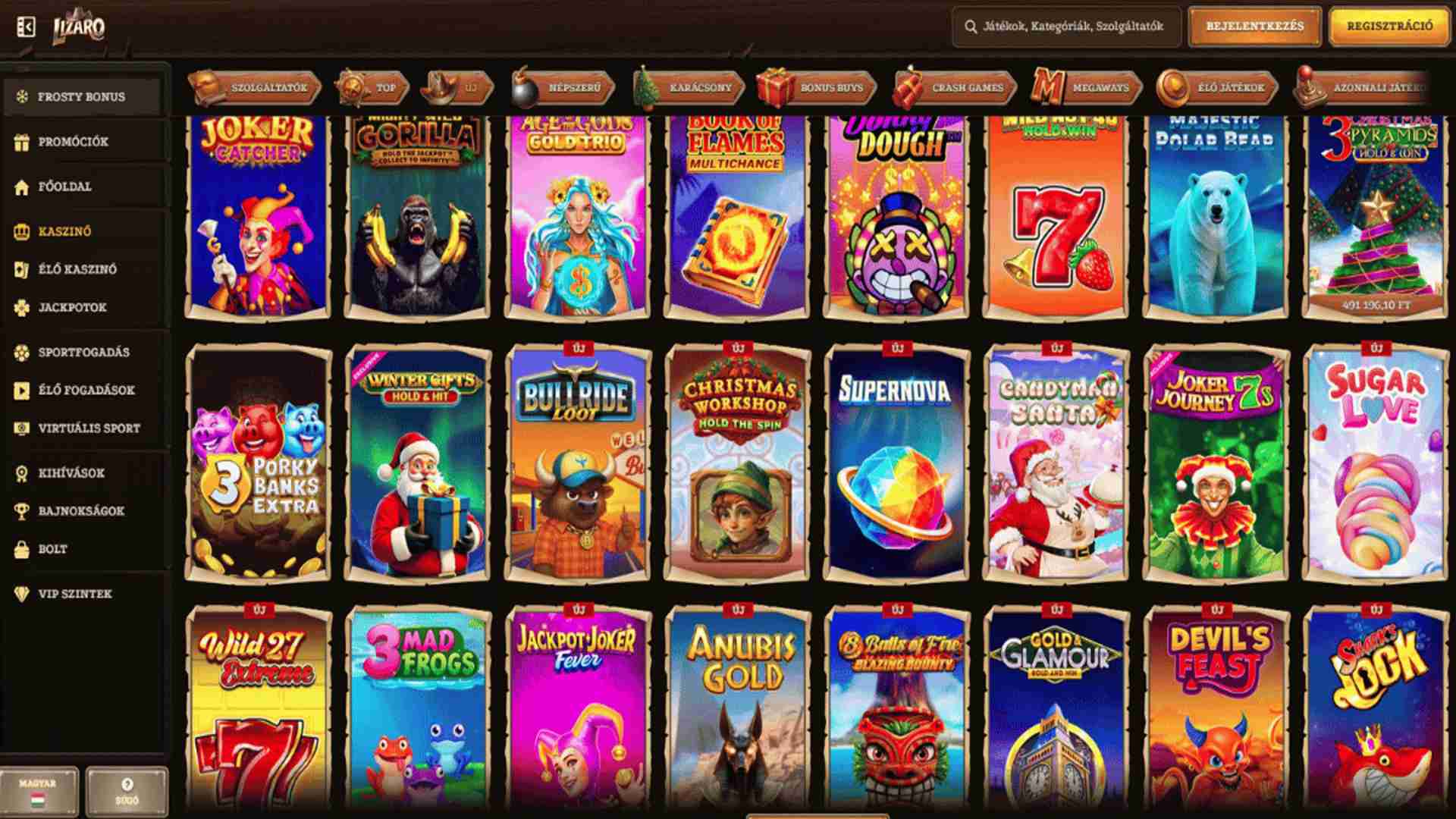
The landscape of casual gaming is constantly shifting, yet certain traditional concepts continue to hold a powerful grip on player attention. Among these, the classic prize wheel has successfully migrated from crowded local fairgrounds into the heart of modern digital platforms. Its core appeal relies on straightforward rules, immediate visual feedback, and a universal sense of anticipation that keeps audiences thoroughly entertained during short play sessions.
The Dynamic Science of Waiting for Results
The structural magic of a spinning dial exists within the brief moments before the pointer comes to a complete standstill. Human psychology is naturally wired to appreciate moments of uncertainty, finding a unique form of enjoyment when outcomes are left entirely to chance. This brief built-in delay builds immediate focus, transforming a very basic interaction into a memorable mini-narrative.
Furthermore, because the interactive layout displays all potential rewards simultaneously, players always remain aware of what they might receive. This complete visibility sparks continuous curiosity and supports an accessible loop of quick satisfaction. Participants can jump directly into the action without studying intricate strategies or mastering demanding control configurations first.
How Aesthetic Choices Transform Casual Play
Modern game developers elevate traditional mechanics by integrating colorful animations, thematic graphics, and responsive sound design. Audio-visual feedback loops intensify the dramatic tension of each turn, ensuring that the overall interface feels reactive and alive. When a digital wheel slows down with realistic physics, it mimics the tactile satisfaction of a physical attraction.
Leading online hubs frequently implement these engaging reward setups to diversify their active product catalogs. For example, prominent entertainment platforms like m88.com utilize stylized selection designs to deliver fluid micro-interactions for casual users. This creative execution helps simple mechanics stand out in a crowded market, providing a relaxing alternative to complex video game narratives.
The Importance of Diverse Themes and Modifiers
Another major reason these games remain highly relevant is the incredible variety of visual themes available to contemporary designers. A spinning interface can easily adapt to showcase ancient mythologies, futuristic sci-fi landscapes, or seasonal holiday aesthetics. This flexibility ensures that the underlying mechanic looks fresh and appeals directly to entirely different consumer preferences.
Beyond the external appearance, modern variants also introduce creative multi-layered incentive structures to prevent repetitive gameplay patterns. Creators often mix standard point systems with instant mystery modifiers, secondary multipliers, or surprising mini-games hidden within specific segments. By ensuring that every sector contains a distinct value, the entire experience stays highly satisfying from start to finish.
Future Trends in Interactive Selection Mechanics
As digital entertainment moves toward higher levels of immersion, rotational reward formats will likely evolve alongside emerging consumer technologies. Virtual and augmented reality interfaces could soon allow participants to interact physically with fully customized wheels in real time. This technical progression will deepen audience loyalty by transforming basic tapping actions into highly tactile events.
Ultimately, the timeless nature of random selection guarantees that these casual games will retain a stable position inside modern gaming culture. They offer a refreshing break from stressful competitive environments while maintaining high-quality visual excitement. By prioritizing clean layouts and balanced prize distribution, developers ensure that the simple joy of the spin remains completely unforgettable.